Subfloor Demolition in Bergen County, NJ
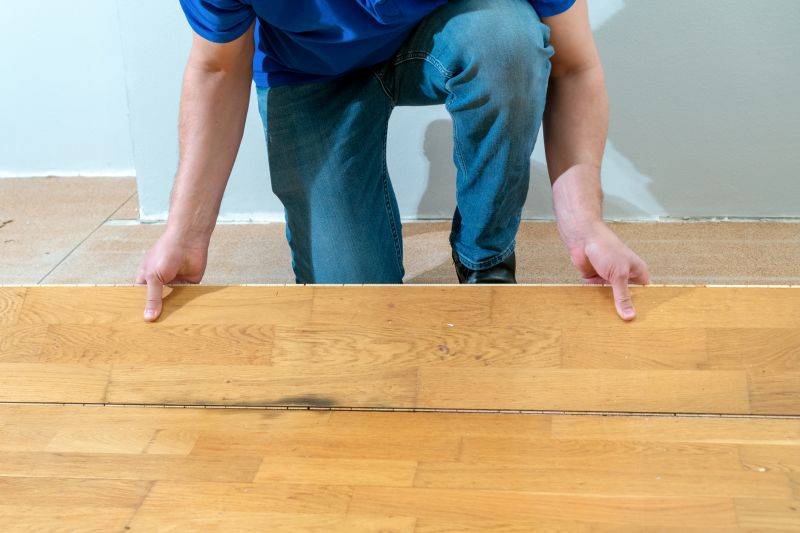
Subfloor demolition services involve the careful removal of existing subfloor materials to prepare a space for new flooring or structural updates. This service is commonly requested during renovation projects such as kitchen or bathroom remodels, basement finishing, or when addressing underlying issues like mold, rot, or damage caused by moisture. Property owners should understand the scope of demolition, including the types of subfloor materials involved-such as plywood, OSB, or concrete-and how the process may impact adjacent structures or finishes. Clarifying the extent of removal and the steps involved can help homeowners plan for subsequent flooring installation or repairs.
Before requesting subfloor demolition, property owners often want to know about the potential for dust, debris, and disruption during the process, as well as any preparation needed beforehand. It’s also helpful to understand if additional repairs or reinforcement might be necessary after removal, especially in cases involving structural concerns or uneven surfaces. Having a clear understanding of what the demolition entails ensures homeowners can coordinate other aspects of their renovation project and make informed decisions about the scope and timing of work.
Many property owners in Bergen County, NJ look into Subfloor Demolition for repairs, replacements, upgrades, and appearance-related improvements.
Subfloor Demolition For Renovations
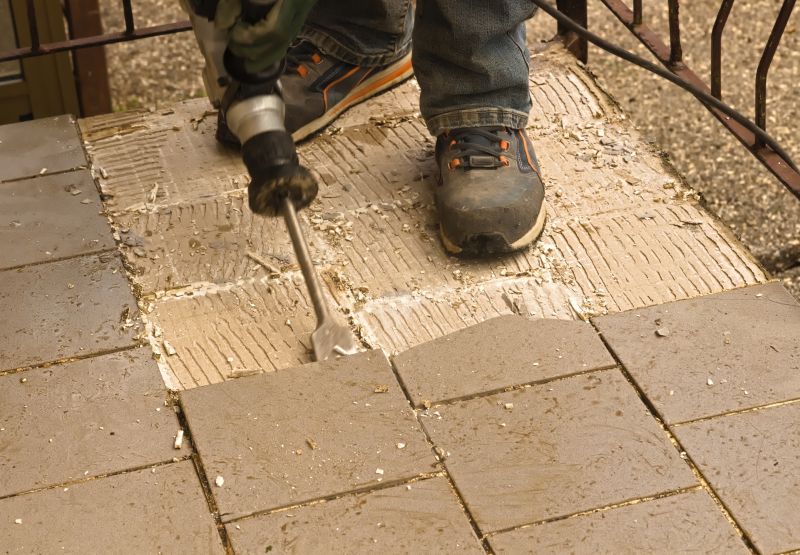
Removing old or damaged subfloors prepares spaces for new flooring installations in bergen county homes.
Foundation Repair And Moisture Control
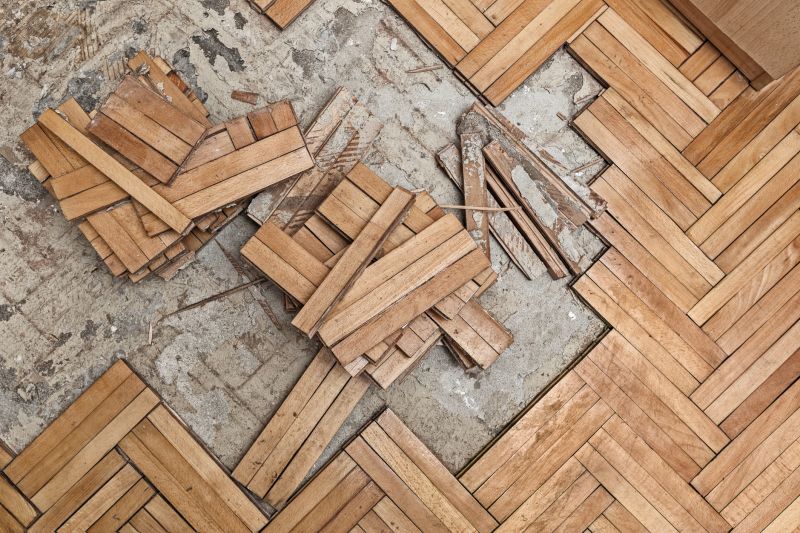
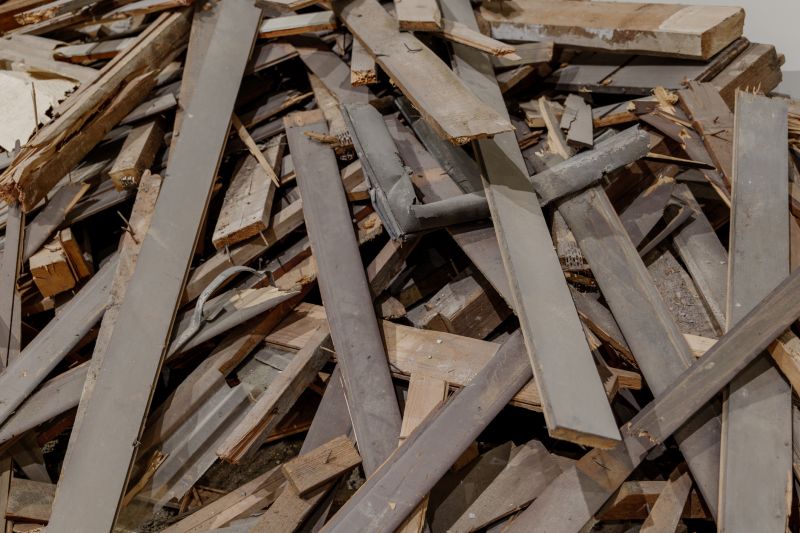
Subfloor removal helps address issues like mold, rot, or uneven surfaces in residential and commercial properties.
Preparing For Structural Upgrades
Demolition of existing subfloors is essential for upgrading or reinforcing flooring systems in bergen county properties.
Subfloor Demolition in Bergen County, NJ
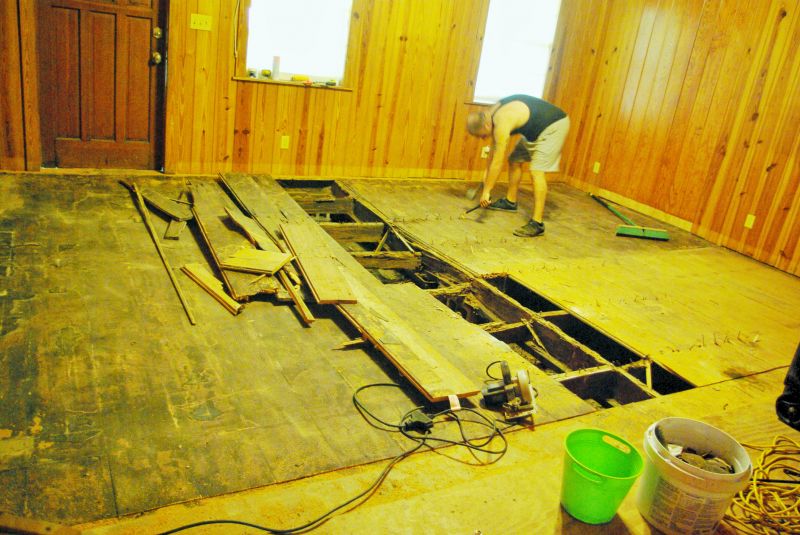
Subfloor demolition services involve the careful removal of existing subfloor materials to prepare a space for new flooring or structural updates. This service is commonly requested during renovation projects such as kitchen or bathroom remodels, basement finishing, or when addressing underlying issues like mold, rot, or damage caused by moisture. Property owners should understand the scope of demolition, including the types of subfloor materials involved-such as plywood, OSB, or concrete-and how the process may impact adjacent structures or finishes. Clarifying the extent of removal and the steps involved can help homeowners plan for subsequent flooring installation or repairs.
Before requesting subfloor demolition, property owners often want to know about the potential for dust, debris, and disruption during the process, as well as any preparation needed beforehand. It’s also helpful to understand if additional repairs or reinforcement might be necessary after removal, especially in cases involving structural concerns or uneven surfaces. Having a clear understanding of what the demolition entails ensures homeowners can coordinate other aspects of their renovation project and make informed decisions about the scope and timing of work.
Many property owners in Bergen County, NJ look into Subfloor Demolition for repairs, replacements, upgrades, and appearance-related improvements.
Common Subfloor Demolition Jobs
Subfloor Removal - safely removing damaged or old subfloor materials to prepare for new installation.
Moisture Damage Repair - replacing subfloor sections affected by water or mold to ensure structural integrity.
Floor Leveling - removing uneven subfloor surfaces to create a flat, stable base for flooring installation.
Foundation Access - opening up subfloor areas to inspect or repair underlying structural issues.
Remediation of Pest Damage - removing subfloor sections affected by termites or other pests to prevent further damage.
Structural Reinforcement - replacing or strengthening weakened subfloor components to support new flooring and loads.
Subfloor Demolition Questions
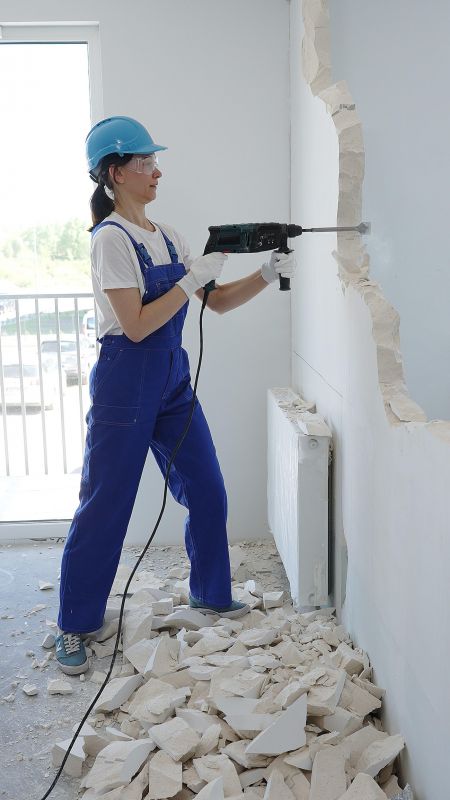
What is subfloor demolition? Subfloor demolition involves removing the existing subfloor material to prepare for replacement or repairs in a building project.
When is subfloor demolition needed? It is necessary when the subfloor is damaged, rotted, or outdated, and needs to be replaced to ensure a stable foundation for flooring.
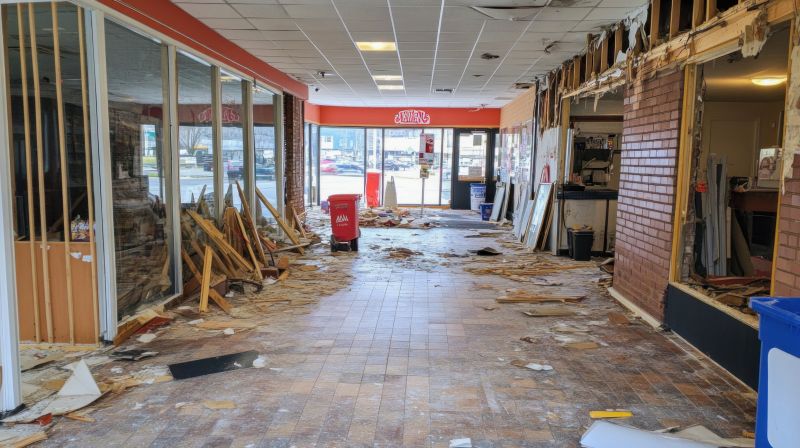
What types of projects require subfloor demolition? Projects such as remodeling, water damage repairs, or installing new flooring often require removing the old subfloor first.
What should property owners know before starting subfloor demolition? Proper assessment of the existing structure is important to determine the extent of demolition and ensure a safe, effective process.
Request Subfloor Demolition in Bergen County, NJ
Use the quote form on this page to share the basics of your project and request more information for the type of work you need.